

Resin Injection Vs Underpinning Bristol
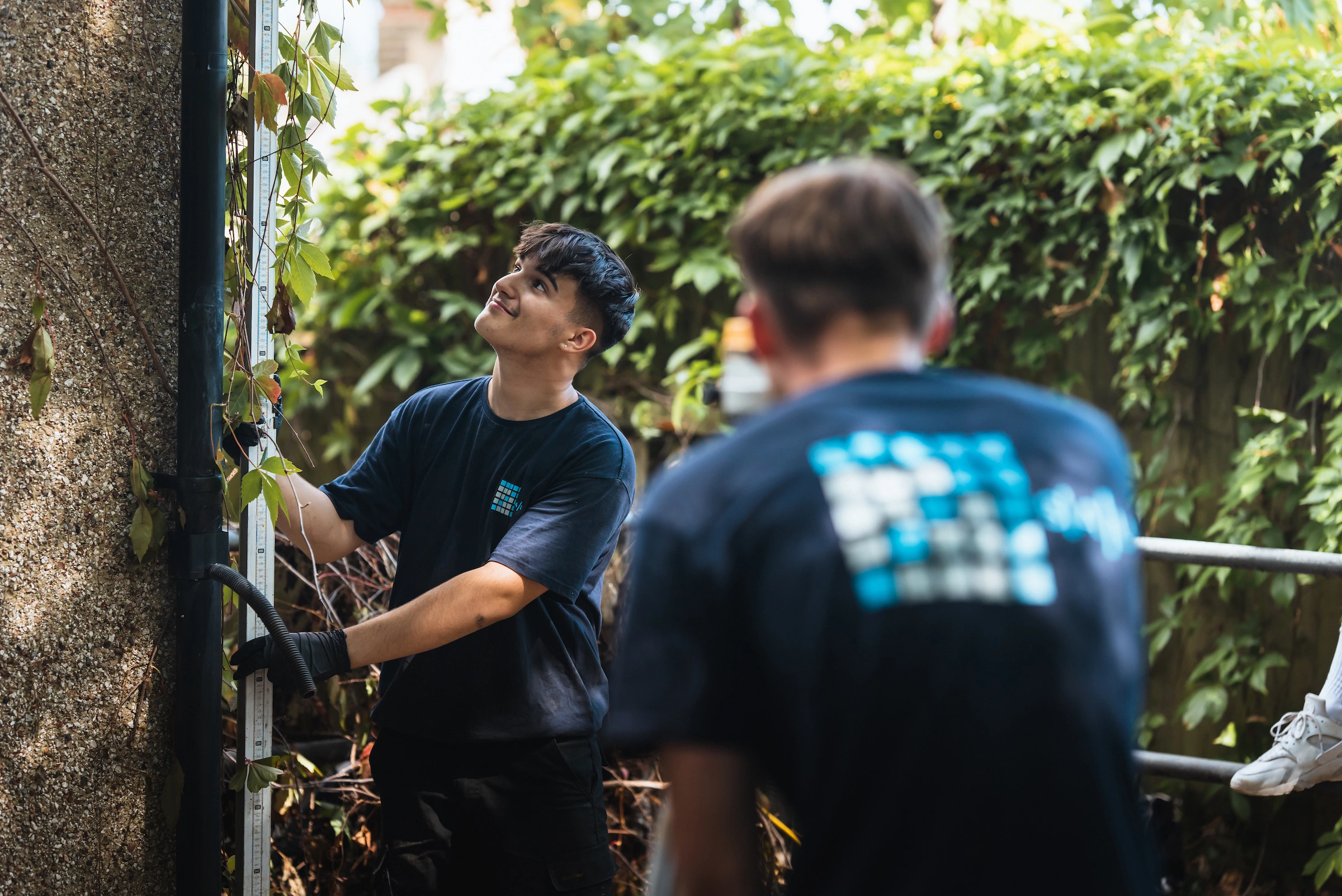
A more efficient alternative to conventional underpinning in Bristol is our Resin Injection system, offering a non-invasive solution for Subsidence Repair through foundation stabilisation and soil reinforcement.
Conventional Underpinning Vs Resin Injection In Bristol
Conventional underpinning in Bristol is increasingly becoming the last option for property owners.
Resin injection provides a much more advanced method, eliminating the need for excavation and significantly reducing completion time compared to traditional techniques. Homeowners also benefit from not needing to vacate the premises while work is in progress.
Conventional Underpinning in Bristol
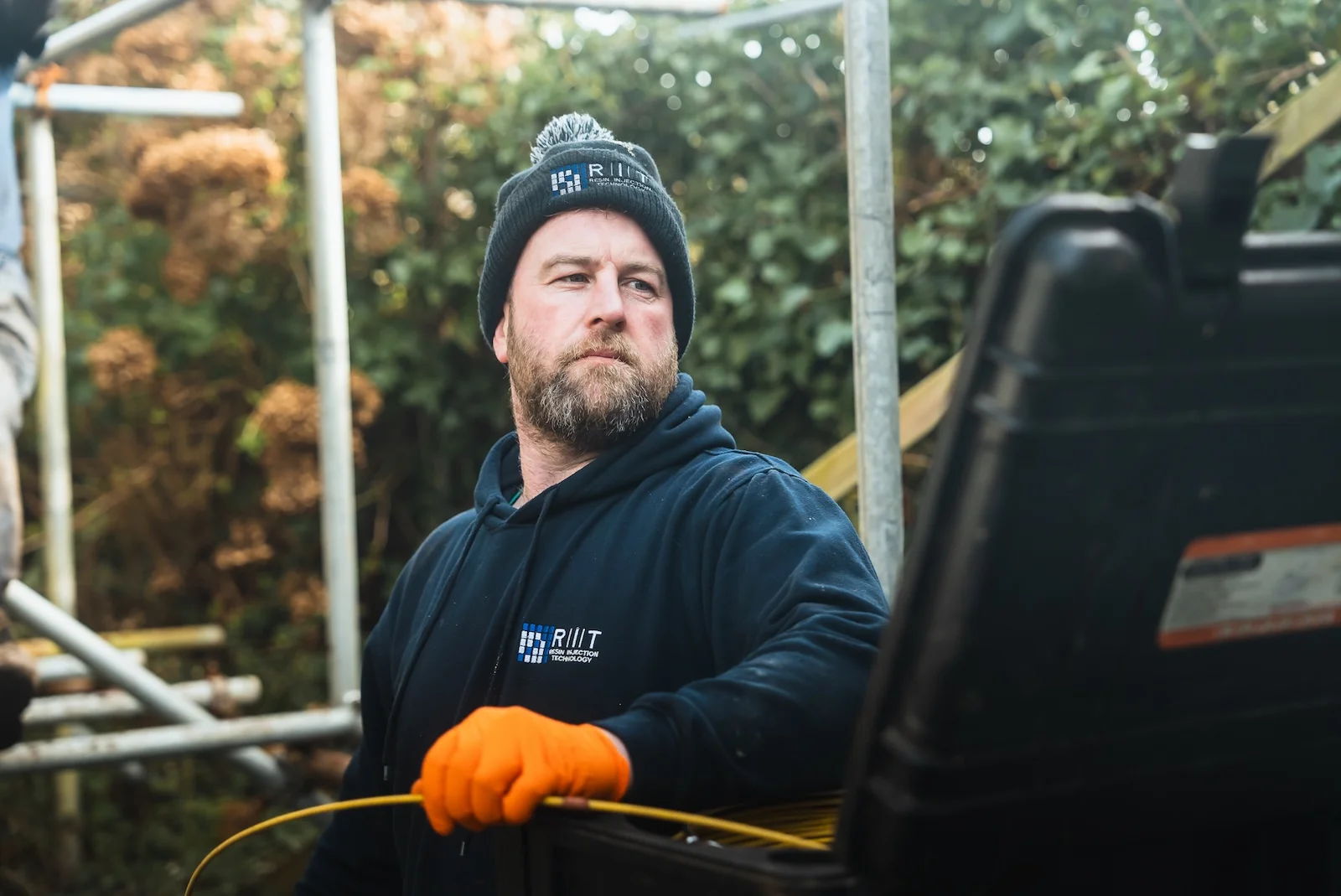
Conventional Underpinning involves ground stabilisation through excavation and the expansion of foundational supports. This extensive task typically requires heavy equipment and excavation work. It's essential for customers to carefully evaluate their ground strengthening needs before committing to underpinning.
Underpinning may be required for reasons such as:
• Insufficient initial planning that misidentifies soil properties during the design phase.
• Changes in soil conditions beneath the foundation.
• Foundations that no longer meet current requirements.
• Nearby repair work or excavation that compromises existing foundations.
• Plans for constructing additional floors underground.

Different Underpinning Methods in Bristol
Resin Injection Solutions – This method provides a rapid, much more efficient underpinning alternative for soil stabilisation and floor re-levelling in Bristol. Expanding resin injections replace the need for heavy hydraulic systems, making it a less disruptive and safer option. Resin injection minimises completion times to just days, with no excavation required.
Mass Concrete Underpinning – This technique involves removing soil under foundations and replacing it with concrete. Ideal for shallow depths, it typically employs box-shaped segments to systematically replace soil.
Piled Underpinning – Suited for greater depths, this method involves installing steel-cased piles that can be filled with concrete. Based on installation, piled foundations can be classified into driven, drilled, and jacked piles.
Jet Grouting – This technique uses a high-pressure jet of cement grout to create columns of grouted soil beneath an existing foundation. It's versatile across various soil types and often doesn't require load transfer structures. However, due to soil disturbance, it may not be ideal for highly sensitive foundations.
Case studies
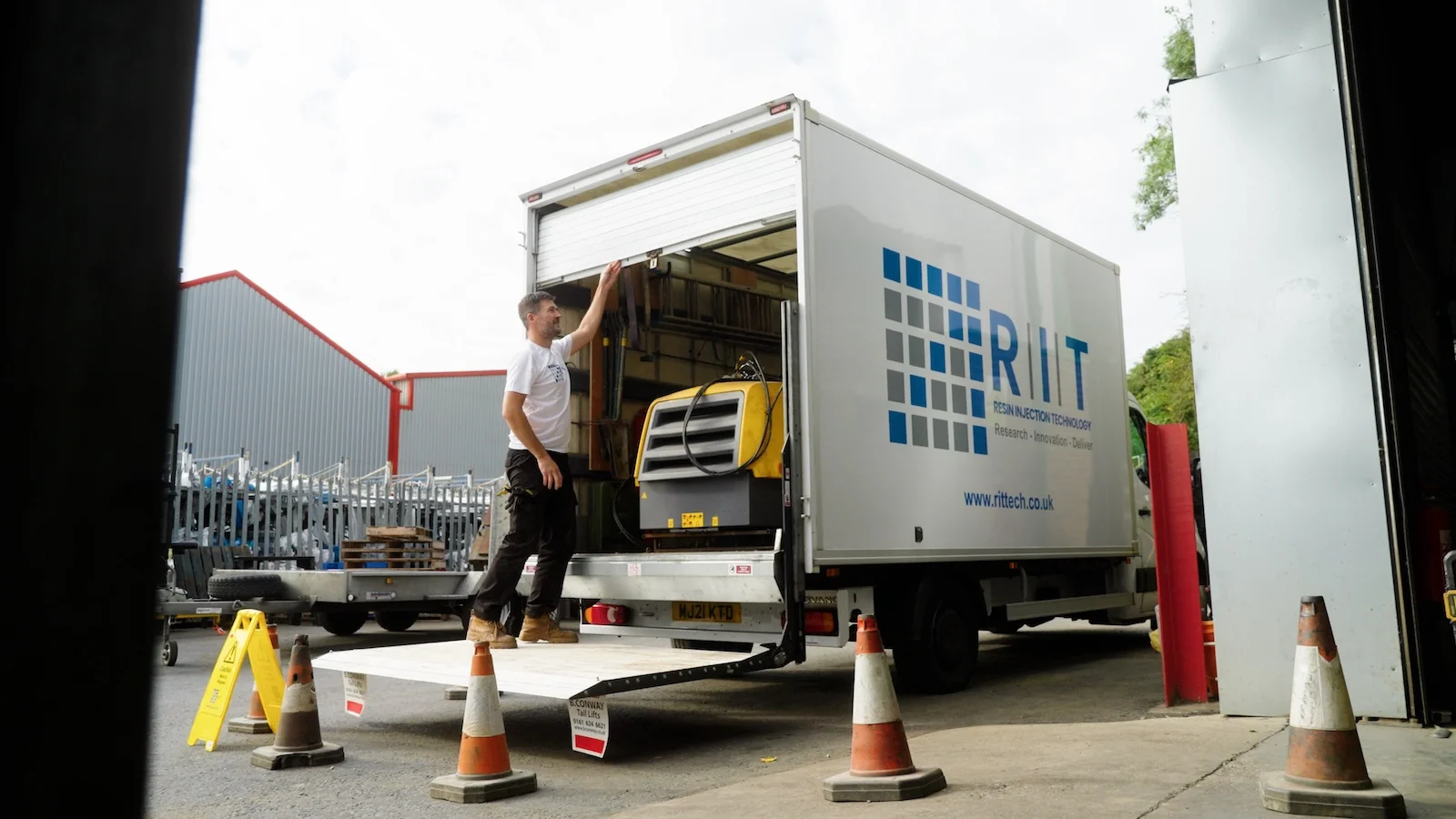
Our recent projects showcase the breadth of structural challenges we resolve across the UK. Each case study highlights our proven methods and long-term solutions delivered with minimal disruption.
This site uses cookies