

Resin injection price
Whether your looking to buy or sell your house, or you’ve found your forever home, the ground beneath your homes is pretty important, so when it starts to shrink due to conditions such as weather, clay and or sandy soil, vegetation routes, this can cause subsidence (the sinking of walls and floors causing cracks to brick work, floors and plaster).
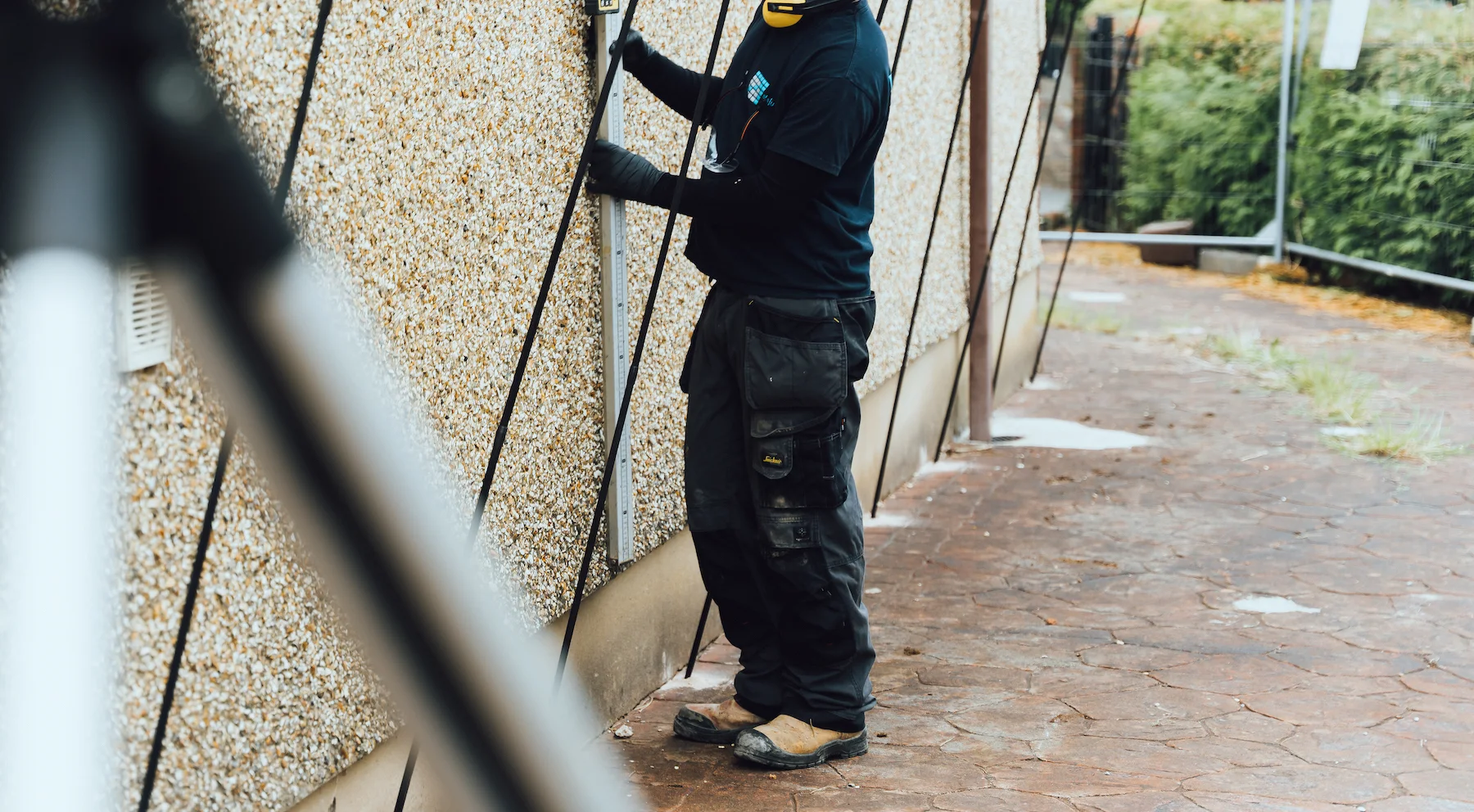
Resin injection Technology
What are the main causes of subsidence?
Scientist have long thought that global warming could have a
negative impact on the subsidence occurring in your property. The
combination of long hot summers, and low rain fall means that the
clay soil that may of the houses are built upon are unable to retain
the moisture content from the winter, which in turn causes
properties to sink. Many homes in the UK are built upon soil which
contains a high content of clay, specifically those houses in the
south east. Another reason may well be vegetation - tree routes. In
the worst see cases it can be a combination of both of these
factors.
As a home owner this can be a worrying time, noticing cracks in
walls, slopping floors, increasing gaps in the floor boards, doors
and windows sticking. So what are the solutions available and which
one should you opt for?
Why is it important to rectify the situation? To stop your house
from sinking even further and protect the structural integrity of
the building. This will ensure you feel safe and secure that there
will be no further movement of your property. And of course you
shouldn’t be constantly redecorating where the cracks have appeared
inside your property!
What is underpinning ? The process of supporting your foundations by
stabilising the ground it sits on. There are different ways in which
you can achieve this:-
The 4 different types of underpinning:
Pilling - The most expensive and more traditional way of underpinning - its
a time consuming and there is a lot of upheaval to your everyday
house and in some cases you’ll have to move out of the property
whilst the work is carried on.
Mass concrete - Again time consuming, a lot of moving of earth to get a clear path
to the foundations so that a mass of concrete can be poured
providing stabilisation to the foundations of the building.
Resin injections - The newest of methods, steel lances are inserted into the ground,
resin, designed specifically for the type of soil is inserted which
hardens within a mater of minutes, and becomes full stable within 24
hours. This method usually goes much deeper than other methods,
curating soil stabilisation. This is by far the most unintrusive of
methods, think of it more like keyhole surgery for your property.
Beam and Base method - This involves excavating the earth around the foundations and
inserting beams underneath and bases at strategic positions to
transfer the weight of the building to more stable soil than the
original foundation have been put on. Pro’s and Cons of each method
In more recent years resin injection has become the most popular,
little disruption to daily life, its usually completed within 1 to 3
days. This eco friendly method is recognised by both insurance and
mortgage companies alike. Being cheaper than traditional methods, it
can be used for residential and commercial properties, this is the
method that a lot of home owners are opting for!
Case studies
Our recent projects showcase the breadth of structural challenges we resolve across the UK. Each case study highlights our proven methods and long-term solutions delivered with minimal disruption.
This site uses cookies