

Causes Of Subsidence
Subsidence poses an enormous risk to homeowners. There are a variety of reasons as to why subsidence might occur, however the most common cause is water interfering with the soil beneath the foundations.
Subsidence poses an enormous risk to homeowners
There are a variety of reasons as to why subsidence might occur, however the most common cause is water interfering with the soil beneath the foundations. Prolonged leaks, burst pipes, poor drainage, or significant changes in ground moisture levels can cause soil to shrink, soften, or wash away, leading to a loss of structural support beneath the property. Over time, this movement may result in cracks to walls and floors, sticking doors and windows, uneven surfaces, and visible signs of structural stress.
If left untreated, subsidence can worsen and lead to more extensive structural damage, reduced property value, and complications with insurance or future property sales. Early identification and professional assessment are essential to determine the root cause and implement an effective stabilisation strategy.
Modern ground improvement techniques, such as resin injection, allow affected soils to be strengthened and voids to be filled quickly, helping to restore stability to foundations while minimising disruption to the home and surrounding areas.
Common & man-made causes
Common causes of subsidence including:
• Cohesive soil shrinking and swelling – Soils such as clay and silt are particularly susceptible to causing subsidence. Changes in weather cause the cohesive soils to shrink and swell leading problems within the foundations.
• Non-cohesive soils being washed away – Soils such as sand and gravel are susceptible to being washed away by water flow.
• Movement of soil structures – A combination of soil types underneath a buildings foundations can result in movement and subsidence.
• Soil decomposition – Natural soils such as peat can decompose and cause ground movement.
• Trees and other vegetation – Roots from nearby vegetation can absorb moisture from the soil, causing it to shrink. This is more common in dryer conditions where plants expand their roots in search of water.
Man-made causes of subsidence including:
• Damaged drains – Water from damaged drains can saturate and even wash away the soil beneath foundations. This is common in sandy or gravelly soils.
• Mine shafts – Open areas underneath the ground can lead to subsidence.
• Nearby traffic – Vibration from traffic can cause soil movement.
• Improper ground preparation – Inadequate preparation during the planning stages of construction can lead to a variety of problems including subsidence.
• Construction work – Nearby construction work can cause vibrations leading to movement of the soil underneath buildings.
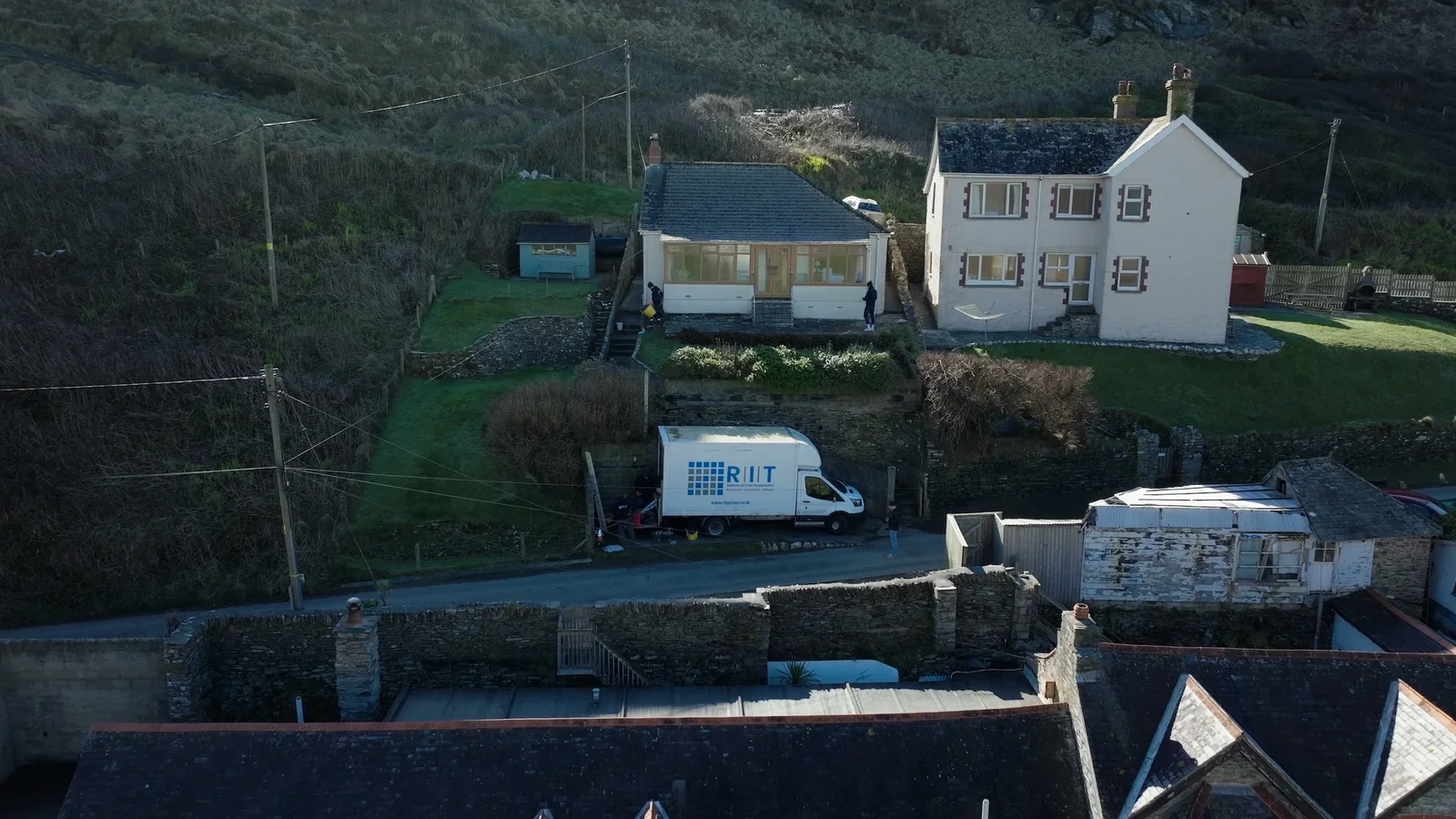
Case studies
Our recent projects showcase the breadth of structural challenges we resolve across the UK. Each case study highlights our proven methods and long-term solutions delivered with minimal disruption.
This site uses cookies